
Scratch Resistant Lenses: Exploring the Different Types of Lenses for Sunglasses Available at Instyleprom.com
When it comes to protecting your eyes in style, the lens you choose matters far more than most people realise. From the material it is crafted from to the coatings applied to its surface, every detail influences how well your sunglasses shield your vision and how long they last. Whether you are shopping for a pair for everyday wear, sport, or for your children, understanding the options available at instyleprom.com can make all the difference to your final choice.
Key points
- Polycarbonate lenses are highly recommended for sports and children due to their exceptional impact resistance and lightweight nature.
- Standard plastic lenses offer good optical clarity but require additional scratch-resistant coatings to maintain their longevity.
- Surface treatments like scratch-resistant and anti-reflective coatings are essential to preserve the aesthetic appeal and clarity of sunglasses.
- Polarized lenses effectively reduce glare from reflective surfaces like water and roads, enhancing visual comfort for outdoor activities.
- Photochromic lenses automatically adjust their tint based on light intensity, providing versatility for people moving between indoor and outdoor environments.
- The level of UV protection is determined by lens materials and coatings rather than the darkness of the lens tint.
- Selecting the right lens involves balancing individual lifestyle needs with factors like durability, refractive index, and specific environmental light conditions.
Understanding Lens Materials and Their Impact on Scratch Resistance
Polycarbonate versus Plastic: Which Material Offers Better Protection for Your Vision?
The material of a sunglass lens is the foundation of everything else. Polycarbonate has long been favoured for its impressive resilience — it is notably impact-resistant and significantly lighter than standard plastic alternatives, making it a practical choice for those who lead an active lifestyle. When you wear a pair of polycarbonate sunglasses, you benefit from a material that naturally resists shattering, which is particularly reassuring for children and sports enthusiasts alike. Standard plastic lenses, on the other hand, can offer excellent optical clarity at a more accessible price point, though they may be more susceptible to surface scratches if left without an additional protective treatment. The choice between these two materials often comes down to how and where you intend to wear your sunglasses, as well as how much wear and tear they are likely to endure.

How Index and Treatment Influence the Durability of Your Sunglasses
Beyond the raw material, the index of a lens refers to its refractive quality — essentially, how efficiently it bends light relative to its thickness. A higher index lens tends to be thinner and lighter, which can be advantageous for those who require corrective vision alongside UV protection. However, the durability of any lens is greatly influenced by the surface treatment it receives. A scratch-resistant coating applied during manufacturing can extend the life of a lens considerably, keeping the surface clear and free from the fine marks that accumulate through daily use. Anti-reflective treatments and hard coatings work together to preserve both the aesthetic appeal and the protective function of your sunglasses over time.
Specialized lens technologies for enhanced eye protection
Polarized Lenses: Reducing Glare and Light Intensity for Outdoor Activities
For those who spend a great deal of time outdoors — whether by the water, on the slopes, or behind the wheel — polarized lenses represent a genuinely worthwhile investment. These lenses are engineered to filter out horizontal light waves, which are the primary cause of the harsh dazzle you experience when sunlight reflects off flat surfaces such as roads, water, or snow. The result is a noticeably more comfortable visual experience, with colours appearing more vivid and contrasts sharper. Polarized sunglasses are particularly well-suited to sport, as they allow the wearer to focus on their surroundings without being distracted or blinded by intense reflected light. The reduction in glare also means the eyes are under considerably less strain, which can make a real difference during extended periods outdoors.
Photochromic Options: Adapting Tint and Colour to Changing Luminosity
One of the more ingenious developments in sunglass lens technology is the photochromic lens. These lenses are designed to respond to changes in luminosity, automatically darkening in bright sunlight and lightening again when you move indoors or into shade. This adaptive quality makes them exceptionally versatile, eliminating the need to switch between different pairs throughout the day. The tint transitions smoothly and swiftly, ensuring that your vision remains consistently comfortable regardless of the light conditions around you. For those who move frequently between indoor and outdoor environments, or who live in regions where the weather shifts unpredictably, photochromic lenses offer a seamless and practical solution.
Choosing the Right Lens Category for Your Lifestyle and Needs
Sport and children’s sunglasses: selecting resistant lenses against harmful rays
Sunglasses designed for sport or for children must meet a particularly demanding set of requirements. Not only do they need to withstand the bumps, drops, and general rough handling that come with an active lifestyle, but they must also provide reliable protection against harmful rays. UV radiation is a genuine concern, especially for young eyes that are still developing and are therefore more sensitive to long-term damage. Polycarbonate lenses are frequently recommended in this context, given their combination of lightness, impact resistance, and inherent UV-blocking properties. Frames designed for sport often wrap around the face more snugly, ensuring that the lens remains in place and continues to shield the eyes even during vigorous activity. When selecting sunglasses for children, it is worth paying close attention to the lens category, which indicates the level of solar protection offered.

Dark Tints and Blue Light: Matching Lens Colour to Specific Vision Requirements
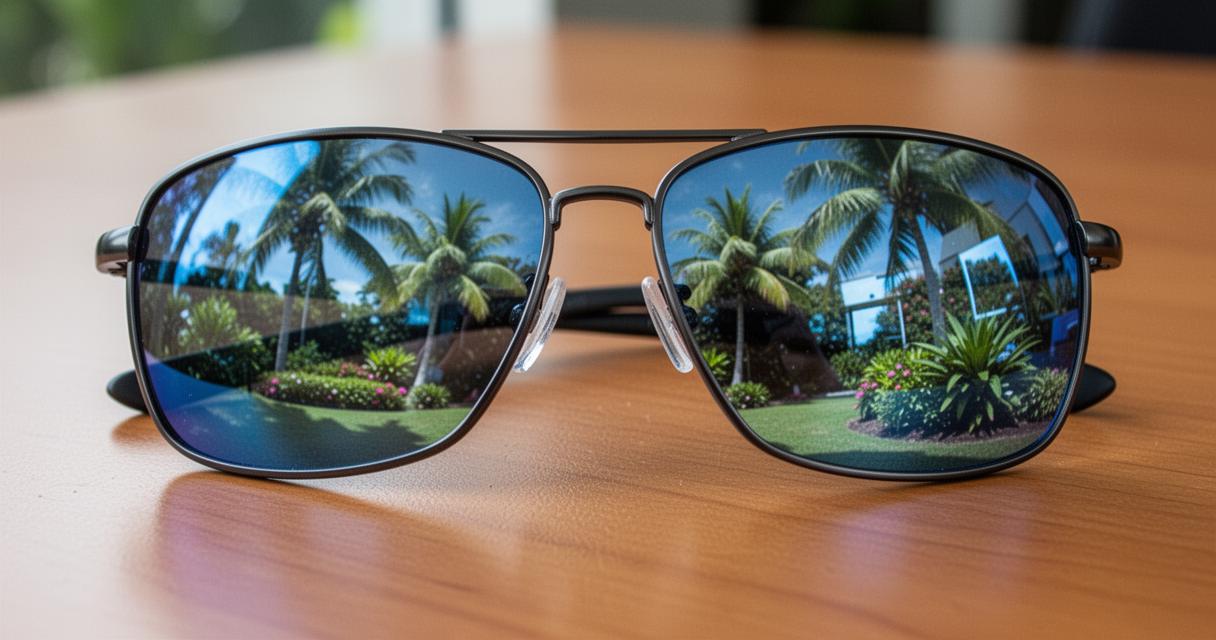
The colour and depth of a lens tint are not merely aesthetic choices — they have a direct bearing on how you perceive your environment and how well your eyes are protected. Dark lenses in shades such as grey or brown are well-suited to conditions of intense sunlight, as they reduce overall light transmission without distorting natural colours too dramatically. Blue-tinted lenses have gained popularity in recent years, partly for their distinctive appearance but also for their ability to filter certain wavelengths of light that can contribute to visual fatigue. It is worth noting that a darker tint does not necessarily mean greater UV protection — this is determined by the lens material and any additional coatings rather than the depth of the shade alone. Matching the right lens colour and category to your specific vision requirements, whether that means round frames for a classic look or wraparound styles for maximum coverage, is a thoughtful process that pays dividends in both comfort and long-term eye health.
 Pants for Men: Latest Fashion
 Who makes the best men’s cashmere sweaters?
 Velvet second-hand clothes buying and selling platform
 What is cashmere and why is it so expensive?
 What is the Story Behind the Heart of the Ocean Diamond Necklace?
 All you need to know about an abaya
 The new Adidas NMD HU shoe Review
 7 Health benefits of wearing an anklet
 Four tips to match your sneakers to your outfit
 Why the Plunging Bob with Fringe for Round Faces is the Perfect Short Bob with Centre Parting and Subtle Layers